
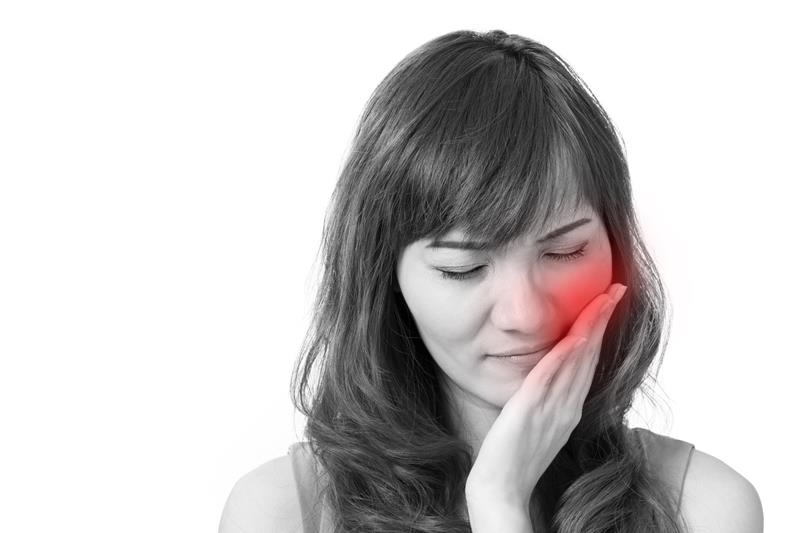
Issues affecting the temporomandibular joint (TMJ) can result in jaw pain, headaches, and difficulty chewing and speaking.
Fortunately, Dr. Steven L. Ollason can provide effective dental solutions for patients with TMJ disorder in Albuquerque, NM. Learn more about how New Mexico Smile Center can provide you with much-needed relief from TMJ disorders with a customized treatment plan.
Request an AppointmentWhat Is TMJ Disorder?
A temporomandibular disorder (TMD) is a result of excessive strain on the TMJs, which are hard-working joints that connect your jawbone to your skull. When the bone, cartilage, muscles, and nerves around the TMJ do not function properly, you may experience dysfunction in the jaw joint and muscles that control jaw movement.
Locating Your Temporomandibular Joint
The temporomandibular joints are the two points on either side of your head. Here’s how you can locate them:
- Trace the bottom of your lower jaw to just underneath your ear. Open and close your mouth.
- The spot with the most movement is where your TMJ is located. As you open your mouth, you will feel it move slightly outward.
- If this area feels painful, swollen, or does not move when you open or close your mouth, there is likely a problem with your TMJ.
If you live in or near Albuquerque, NM, Dr. Ollason will be able to accurately diagnose and treat your ailment.

Symptoms of TMD
TMD can undoubtedly take a toll on your quality of life. Our team in Albuquerque, NM, can develop a personalized treatment plan using nonsurgical techniques. If you experience any of the following symptoms of a temporomandibular joint disorder, get in touch with us:
- Facial pain or tenderness that radiates from the jaw
- Ear, neck, or shoulder discomfort
- Ringing in the ears
- Severe headaches or dizziness
- Locking jaw
- Grinding or clicking sounds in your jaw joints
- Toothaches or tooth wear
- Upper and lower teeth not touching
What to Expect From the Treatment Process
Dr. Ollason will conduct a comprehensive exam to evaluate your jaw joints and oral health. This can involve learning more about your lifestyle and habits, including whether you smoke, clench your teeth, and more.
He will conduct a visual examination and, if necessary, take digital X-rays. If he identifies TMJ complications, he will recommend a treatment option to alleviate your symptoms.
Through oral splints, lifestyle changes, pain medication, dental crowns, and other restorative options, you can feel confident we’ll put you on the road to long-term relief.

What Causes TMJ Disorder?
One of the most common causes of TMJ disorders is trauma or a physical injury to the jaw or its surrounding joints and tissue; however, you may experience a temporomandibular disorder due to issues such as:
- Misaligned Bite
- Teeth Grinding or Clenching (Bruxism)
- Chronic Stress
- Arthritis
TMJ Treatment in Albuquerque
TMJ disorders can cause jaw pain, headaches, and difficulty chewing or opening your mouth comfortably. At New Mexico Smile Center, TMJ treatment focuses on relieving pressure on the jaw joints and improving bite alignment. Treatment options may include custom nightguards, bite adjustments, and other therapies that work alongside general dentistry care to support long-term oral health and comfort.
How Much Does TMD Treatment Cost?
The cost of your TMJ treatment will ultimately depend on what is causing your pain and the extent of correction you need. Fortunately, our dental practice accepts most insurances, but patients who do not have insurance may be eligible for discounted services. We also offer financing options, including CareCredit®, to keep out-of-pocket expenses manageable.
TMJ Treatment in Albuquerque FAQs
What is TMJ?
TMJ refers to the temporomandibular joints that connect the jaw to the skull and allow movement for speaking and chewing.
What are common symptoms of TMJ disorders?
Symptoms may include jaw pain, headaches, clicking or popping sounds, and difficulty opening or closing the mouth.
What causes TMJ problems?
TMJ issues may be caused by teeth grinding, jaw injury, arthritis, or misalignment of the bite.
How is TMJ treated?
Treatment options may include custom nightguards, bite adjustments, physical therapy, or other dental therapies.
Can TMJ cause headaches?
Yes, TMJ disorders can contribute to chronic headaches and facial pain.
When should I see a dentist for TMJ symptoms?
If you experience persistent jaw pain, clicking, or difficulty chewing, a dentist can evaluate your symptoms and recommend treatment.